What Does IC Programming Mean? What Is Chip Burning?
What does IC programming mean? What is chip burning? Programming a chip means that, as a processor, the chip needs programs to function, miniaturizing all components into one or more integrated circuits; an integrated circuit can accept coded instructions at one or more of its terminals, execute these instructions and output signals describing its state, and the process of storing programs into
Programming a chip means that, as a processor, the chip needs programs to function, miniaturizing all components into one or more integrated circuits; an integrated circuit can accept coded instructions at one or more of its terminals, execute these instructions and output signals describing its state. The process of storing programs into the chip is called chip programming.
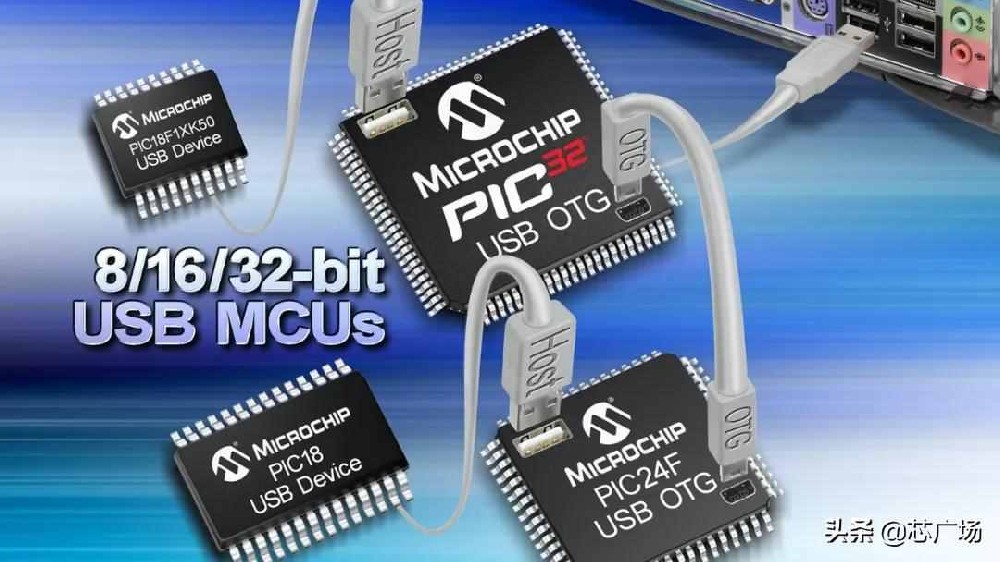
Generally speaking, when manufacturers purchase various programmable ICs from semiconductor suppliers, their data areas are blank. Only before assembly is the latest control program and data written into them using an IC programmer. This is a necessary process even more important than IC testing, usually performed by the final electronic product manufacturer, and is also a step in production that is prone to errors and requires more debugging and correction.
Why do ICs need programming?
First, because electronic products contain microcontrollers or ARM controllers. During production, the control chip initially contains no program. In order for the microcontroller or ARM chip to execute operations according to our designed functions, the program executable file written by the engineering team must be programmed into the controller chip of our electronic product.
Second, corresponding parameters need to be programmed. After the microcontroller or ARM program is programmed, sometimes for confidentiality, encrypted parameter settings can be applied to the program through interfaces such as serial port or USB, or some parameters can be programmed, such as the IP address and port data of WiFi modules. All this is to ensure the electronic product operates normally.
Third, programming files such as font libraries, images, ringtones, animations and other files. Many electronic products today have display screens. To provide users with a superior user experience, pre-processed high-definition photos need to be stored in the microcontroller or ARM system memory. Font library files are underlying electronic product files called up for user input of Chinese characters.
In summary, the purpose of the IC programming process is to ensure the normal operation of microcontroller systems or ARM chips, along with the files and parameters essential for safe operation.
Programmers for Programming ICs
Generally, when people mention programmers, most think of CD-RW. Only electronic engineers know clearly that the dedicated IC programmers used in factories and R&D facilities are another type of electronic product that developed earlier and is more professional.
Programmers can be divided into two main types according to usage needs: for R&D and for mass production.

Programmers for R&D
R&D programmers can be further divided into single-function and universal types. Single-function programmers that provide simple functions for a single component usually have the advantages of simple use and low price, but also have the problems of being non-expandable and inconsistent in quality. Since most R&D engineers use self-made emulators or development boards produced by component brands to match their components for programming, universal programmers are more commonly used at the mass production stage.
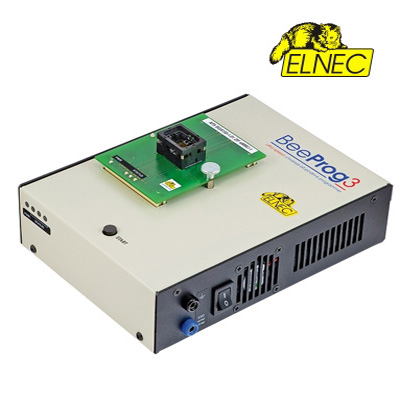
Programmers for Mass Production
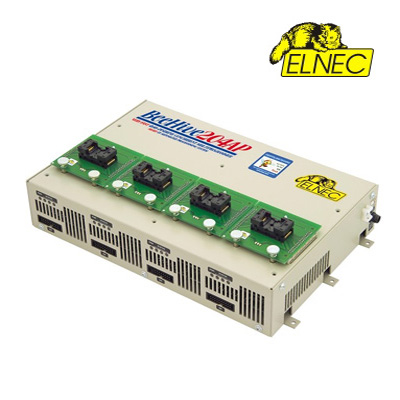
Generally speaking, mass production programmers fall into the category of production equipment, where yield, stability, capacity and service are important determining factors.
How to Determine Whether an IC Has Been Programmed?
There are roughly two ways to check whether an IC has been programmed: one is to identify it by appearance, and the other is to observe the internal structure using a programmer.
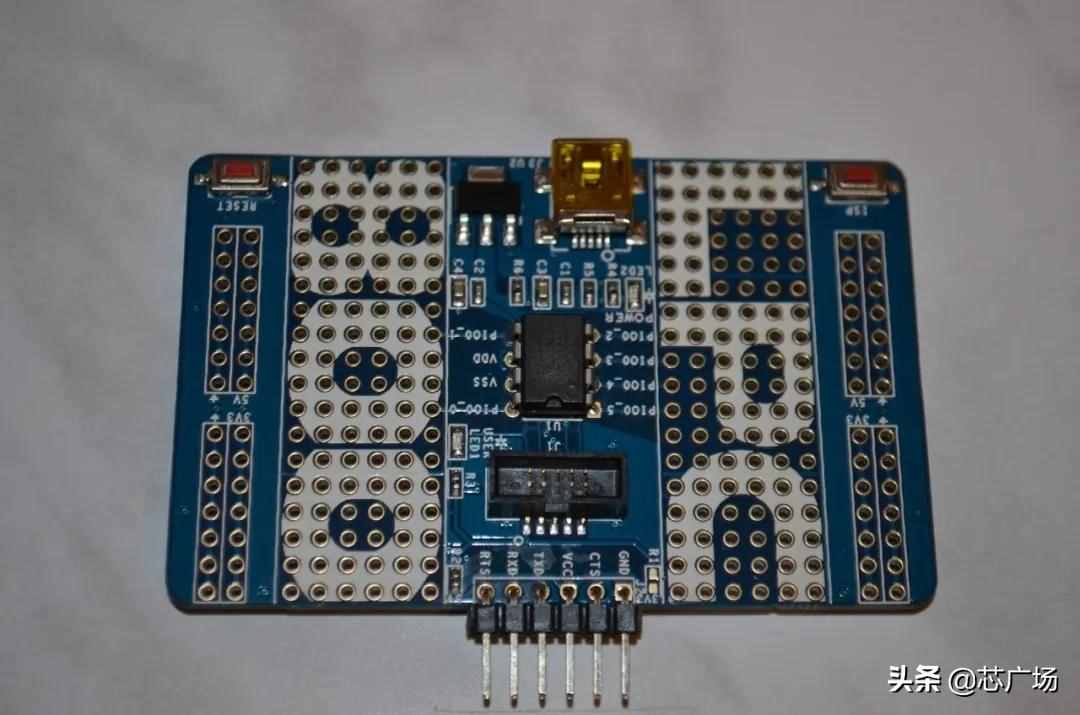
Generally, chips shipped from the original factory have not been programmed and are blank inside. By checking whether the chip is blank, you can determine whether it has been programmed. At the appearance level, you can tell whether an IC has been programmed by checking for marking points or whether the pins have been soldered.
Classification of Programmable ICs
Programmable ICs are generally divided into two major categories: MCU type and memory type.
MCU-Type Programmable ICs
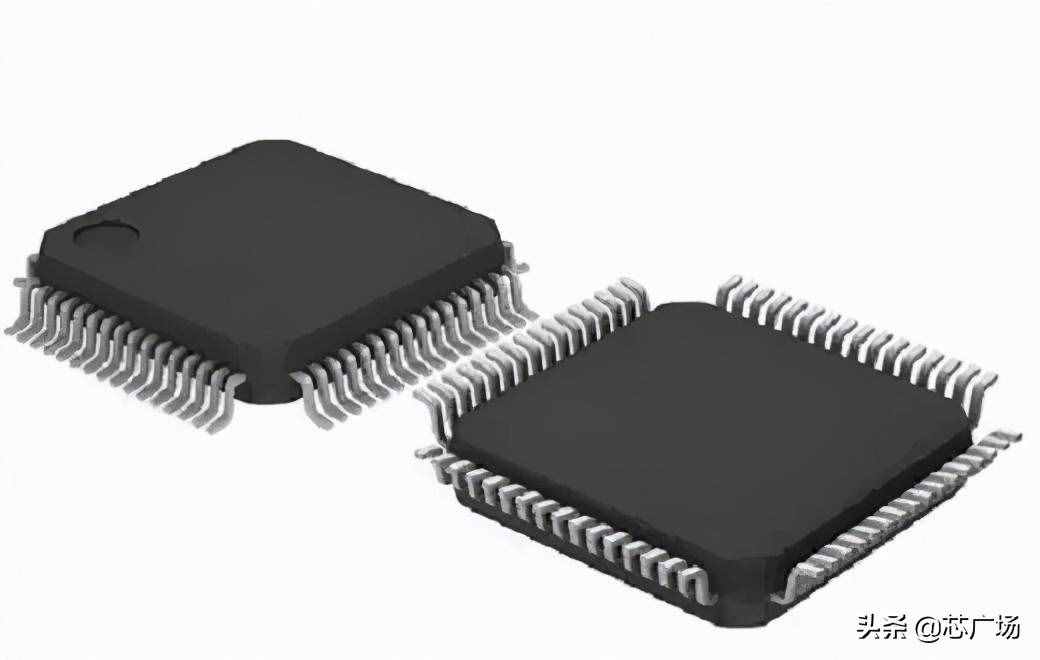
For MCU-type programmable ICs, there are many single-chip controllers (SINGLE MCU) on the market that can be programmed once or multiple times using matching programmers. MCUs that can only be programmed once are called OTP MCUs, while the opposite, MTP MCUs, can be programmed multiple times.
Memory-Type Programmable ICs
Memory-type programmable ICs come in many categories, such as EPROM, EEPROM, NOR FLASH, SPROM, NAND FLASH, etc., all of which belong to memory-type programmable ICs.
EPROM, NOR FLASH, EEPROM and SPROM are mainly used to store data or programs. There are many manufacturers, and there are quite a few universal programmers on the market that can write data into these ICs.
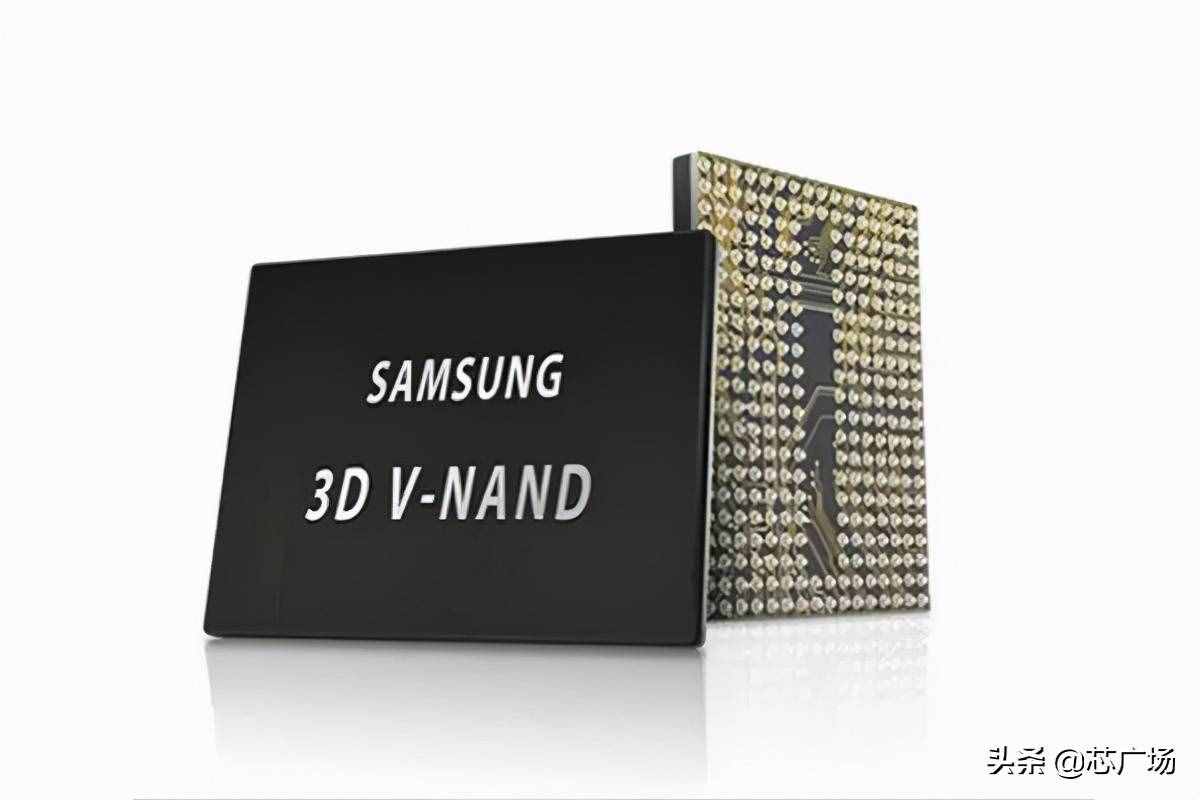
NAND FLASH is produced by only a few manufacturers such as Samsung, and is currently widely used in USB drives, MP3 players, MP4 players, e-book readers and electronic dictionaries.

 EN